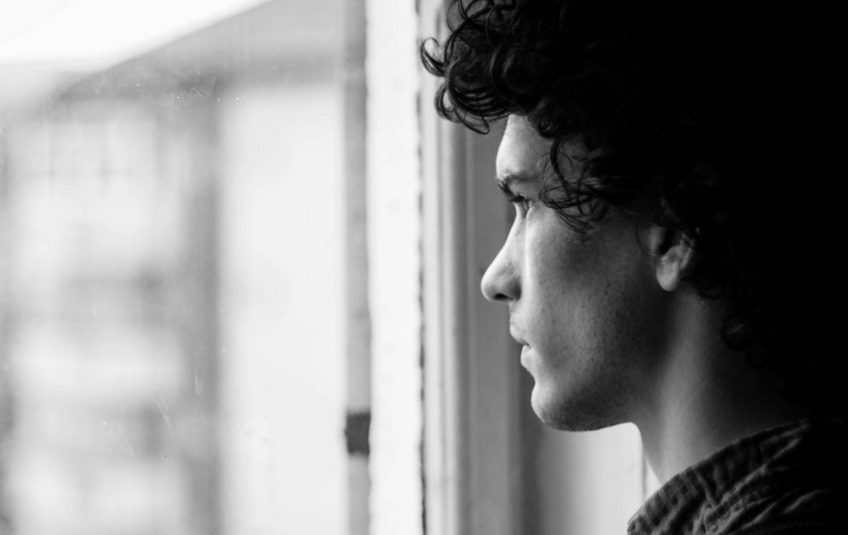

Grief and Grieving
People Grieve Differently
Grief is what we experience when we lose someone we’ve loved and the depth of our grief is a measure of our attachment and love. Grief is what we feel on the inside and we all grieve differently. It’s important to remember that what is seen on the outside is not necessarily a reflection of what is happening on the inside. We may think that someone has “got over” their grief because they aren’t tearful in public. However, that person may be very good at hiding their feelings. It’s not really helpful to think in terms of someone “getting over” losing a loved one. Many people never “get over” it but, eventually, they may succeed in making a different life without that person.
How Can We Support a Grieving Person?
There’s nothing we can say to help a grieving person feel better but what we can do is let them know how sorry we are that this has happened to them. The best way we can help is to let them know that we can’t understand how they must be feeling but that we are thinking about them, perhaps praying for them; that we are willing to be a listening ear and offer support and practical help. There is a lot to do when someone dies, especially admin work and some moral support may well be appreciated and advice if requested. They may appreciate help with other practical matters such as shopping, cooking, gardening, housework etc. if it can be done in a low key way without intruding on their grief.
What Should We Not Do and Say?
When someone we know has lost a loved one we often don’t know what to say; we feel uncomfortable and we may even feel tempted to avoid them. Avoidance can lead to the grieving person feeling isolated and lonely. If the grieving person is someone close to you a much needed hug may be appreciated.
We can avoid unhelpful remarks such as “I know how you feel” and “time is a great healer”. Time may be a factor in healing grief but it’s not a helpful remark for the bereaved person at that moment. Also, please remember that grief often lasts for years so please don’t speak in terms of someone “moving on”; this can be extremely distressing. It takes as long as it takes and there is no way of measuring it.
The Funeral
Funerals are an important and helpful way of saying goodbye. In Britain we tend to try and avoid showing our emotions and we worry about crying in case we cause additional distress to the family. However, the family is already distressed so it’s not likely to make any difference. Crying is a good thing because bottling up our sadness is bad for our mental health. Families and friends usually appreciate people turning up to pay their respects and see it as a measure of how loved the person they’ve lost is. We just need to be sensitive towards the bereaved.
The Grieving Process
The grieving process can be vary in length; for some it may be a few months and for others it may take many years. There are said to be five stages of grief; Shock, anger, sadness, guilt and acceptance. Though we may not experience all of them and we may not experience them in any particular order. Every grieving person is different; sometimes shock comes in the form of denial, sometimes sadness comes in the form of depression and sometimes guilt comes in the form of bargaining. We will always miss the person we’ve lost; there will always be a hole in our lives that no one else can fill. However, the acute pain does gradually diminish and, although we don’t want to, we do eventually adapt to a different life without the person we love.
Complicated Grief
We may experience grief or loss at many times in our lives and there is no way to quantify it; a significant loss, such as separation or divorce, may be more painful to someone than a death. Sometimes grief is complicated such as when a child or young person dies, when someone commits suicide or when combined with Post Traumatic Stress Disorder; this may require specialist help such as professional counselling. Sometimes people feel stuck in grief and again may need professional help to be able to move forward.
The Physical Distress of Grief
Most people don’t realize that with grieving not only do we experience emotional pain, the desperation and yearning for our loved one to come back to us, but we also experience physical pain. As with the grieving process we are unique individuals and we have different experiences; there may be a variety of physical symptoms including fatigue, joint and muscle pain, nausea, indigestion and headaches. Some people have nightmares or vivid dreams in which their loved one returns; then they wake to the harsh reality that they’ve gone. People often imagine that they see their loved one when they are out and about, only to have their hopes dashed when they realize it’s someone else. Although these things can be distressing they are a normal part of grieving and will fade away in time.
Help is Available
Help is available for those who want it; some people will and others won’t. It’s up to the grieving person to decide. The most important thing to do when someone we love dies is to talk about it and not to bottle up our grief. Sometimes we worry that people may get fed up with listening to us; we worry that they may get bored of listening but we still feel the need to talk. There are some very good bereavement groups and organisations whose role is to listen and be supportive. Probably the best known national bereavement care organization is Cruse Bereavement Care.
cruse.org.uk
0844 477 9400
There are other bereavement organisations too; some local and some national ones. Your local doctor’s surgery will probably have details